
Some fictional characters starting with B have redefined entire genres, imposed narrative archetypes, or generated multi-billion dollar franchises. This ranking prioritizes the impact on screenwriting, cultural longevity, and the character’s ability to transcend its original film.
1. Batman
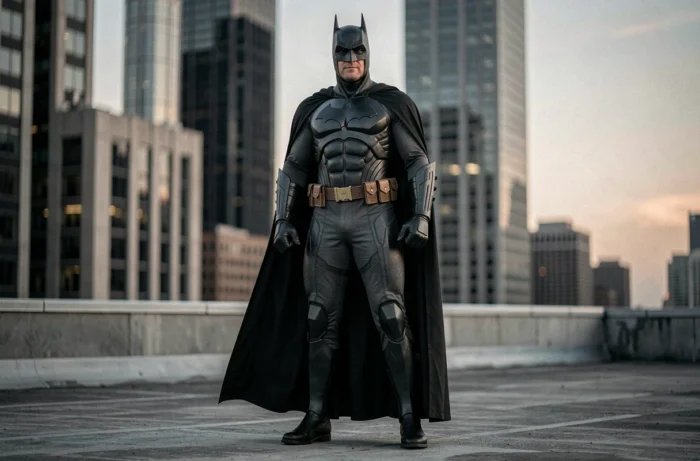
Batman illustrates better than any other character the multiverse effect on cultural reception. Each reinterpretation (Tim Burton, Christopher Nolan, Matt Reeves) alters the reading of the character without erasing previous versions. This coexistence of variants in the collective imagination remains a unique case in superhero cinema.
The character functions as a mirror of the anxieties of its time. Burton’s gothic Gotham reflected the excesses of the 1980s, while Nolan’s trilogy anchored Bruce Wayne in a post-9/11 context. We observe that the fictional characters starting with b have few figures as narratively malleable.
2. Barbie

Greta Gerwig’s film transformed a license deemed outdated into a subject of debate on patriarchy, identity, and gender expectations. The “Barbenheimer” phenomenon, born from the simultaneous release with Oppenheimer, generated a global conversation on social media about women’s place in cinema.
Barbie has become a textbook case of a hybrid viral campaign between studios and audiences. The character proves that a figure associated with children’s culture can carry a critical adult discourse without renouncing its pop DNA.
3. Bond (James Bond)

Six different actors have portrayed 007 over more than six decades. James Bond remains the longest-lasting franchise character in cinema. Each transition of the actor has forced screenwriters to recalibrate the tone, from Roger Moore’s camp to Daniel Craig’s brutality.
Bond’s influence goes beyond the spy thriller. He codified the “gadget movie,” structured product placement in cinema, and established the pre-title sequence format as a narrative convention.
4. Buzz Lightyear

Buzz Lightyear embodies the technological shift in animation. His appearance in Toy Story marked the transition from traditional animation to a fully computer-generated feature film. The character alone carries the film’s central theme: the acceptance of one’s own nature.
His narrative trajectory, from denial to clarity, has served as a model for dozens of animated characters since.
5. Bagheera

Bagheera imposes a rare archetype in Disney animation: the rational mentor, devoid of comedic spring. His deep voice and calm authority contrast with Baloo’s exuberance, creating a duo whose dynamic has been reproduced in many animated films.
Jon Favreau’s version enhanced the protective dimension of the character by leveraging visual realism to accentuate Mowgli’s vulnerability in the jungle.
6. Beetlejuice
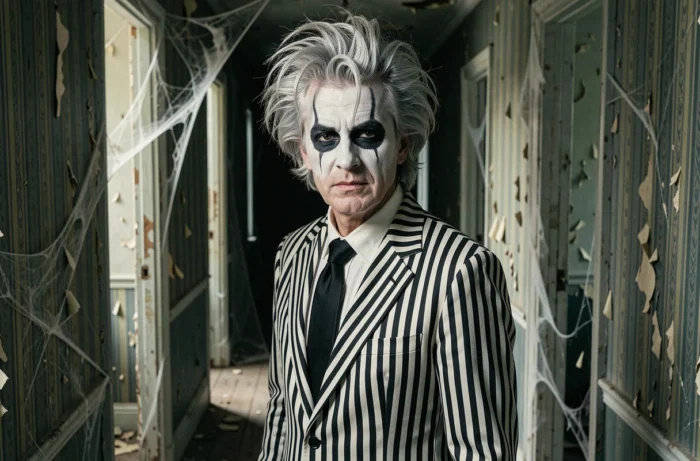
Beetlejuice paved the way for mainstream macabre comedies. Tim Burton found a perfect vehicle for his aesthetic: a character that is repulsive, funny, and threatening at the same time, who defies the codes of the classic ghost.
The character’s return decades after the original film confirms his place in popular culture, beyond just a cult film.
7. Bane

Bane as written by Nolan is a political antagonist before being a physical one. His populist rhetoric, his takeover of Gotham, and the establishment of a revolutionary tribunal make him a villain whose threat relies on ideology as much as on brute force.
Tom Hardy built the character almost exclusively through voice and gaze, the mask removing any facial expressiveness. A remarkable technical exercise.
8. Benjamin Button

The strange case of Benjamin Button pushed visual effects to an unprecedented level of digital aging. The character served as a laboratory for “de-aging” technologies later adopted by many studios.
Beyond the technical feat, the film explores the solitude of an irreversible time displacement, a theme rarely treated with such melancholy in cinema.
9. Bambi

The death of Bambi’s mother remains one of the most cited scenes in animation history. Disney took the risk of an early narrative trauma that defined how the studio treats loss in its subsequent films.
Bambi also set a standard for animal realism in animation, with movement studies conducted from real deer.
10. Blade
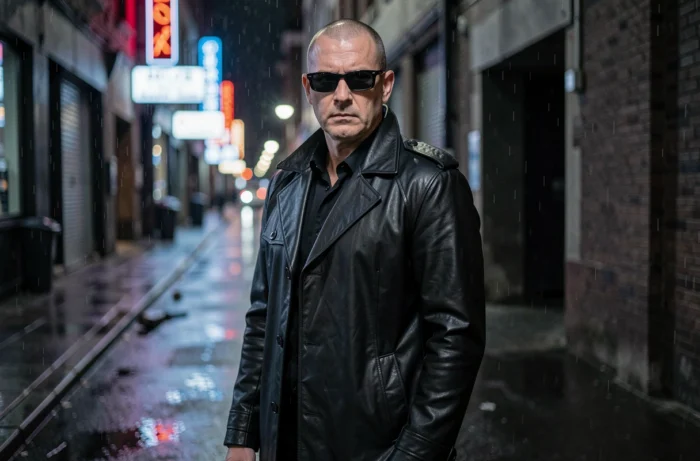
Blade preceded the explosion of Marvel superhero cinema by several years. The character proved that a comic book hero could carry a violent action film aimed at adults, paving the way for darker adaptations.
Wesley Snipes brought to the role a physicality and charisma that anchored the character in the genre film realm long before the MCU standardized the format.
11. Borat
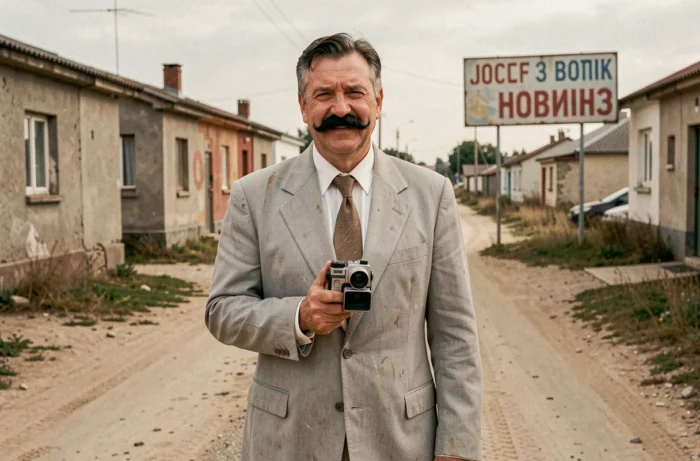
Borat blurs the line between fiction and documentary. Sacha Baron Cohen uses the character as a satirical device that traps real interlocutors, exposing prejudices and social absurdities without a scripted safety net.
The format has influenced an entire generation of “hidden camera” comedies and raised unprecedented legal questions about the consent of filmed individuals.
12. Bilbo Baggins

Bilbo introduces the viewer to Middle-earth through the eyes of a reluctant, homebody, and non-heroic character. This narrative choice, faithful to Tolkien, allowed Peter Jackson to make a dense fantasy universe accessible.
Martin Freeman brought to the character a subtle comedic register that contrasts with the gravity of The Lord of the Rings, giving The Hobbit trilogy a distinct tone.
13. Bella Swan

Bella Swan polarized critics but united a massive audience. The character redefined “young adult” in cinema by imposing a passive heroine as a point of identification, sparking lasting debates about female representation in teen franchises.
The Twilight saga structured an economic model of literary franchise adapted into multiple installments, later adopted by The Hunger Games and Divergent.
14. Brooks Hatlen

Brooks Hatlen appears only briefly in The Shawshank Redemption, but his trajectory concentrates the film’s message on institutionalization. His release, followed by his inability to live outside of prison, remains one of the most heartbreaking sequences in American cinema of the 1990s.
The character serves as a narrative warning for the viewer: freedom without reference points can destroy as much as confinement.
15. Butch Cassidy
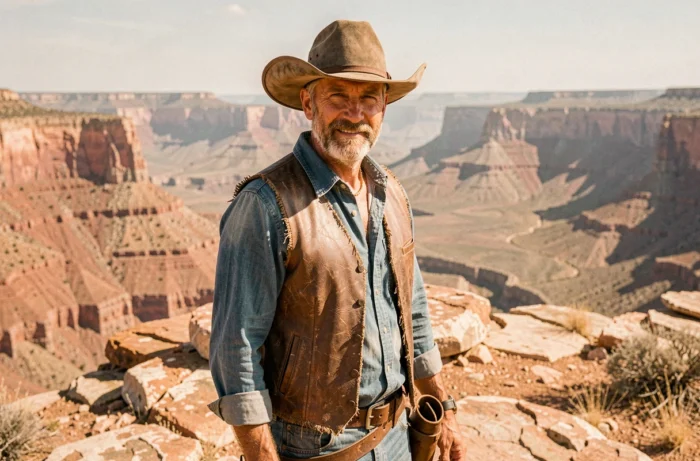
Butch Cassidy and the Sundance Kid deconstructed the classic western by replacing frontal violence with humor and flight. Paul Newman gave the character a lightness that masks a growing despair, as the modern world catches up with the outlaws.
The film has had a lasting influence on the buddy movie and proved that a western could rely on the chemistry between two actors rather than on shootouts.
These fifteen characters share a common trait: each has altered the grammar of their genre. From Batman’s multiverse to Benjamin Button’s pioneering visual effects, the figures starting with B cover an astonishingly wide narrative and technical spectrum. Some have launched franchises, while others needed only a few scenes to etch themselves into the collective memory of cinema.