The world of home in 2026 is no longer just about choosing between two paint colors or a new sofa. Regulations on energy renovation, the decarbonization of heating, and changes to the energy performance diagnosis (DPE) are reshaping what is possible, desirable, and financially viable in a home. Understanding these changes before starting a project avoids extra costs and technical dead ends.
Decarbonization of heating: the constraint that redefines home projects
Since September 1, 2026, any major renovation of an individual house funded by MaPrimeRénov’ must include the decarbonization of heating. A project that retains or installs a gas boiler is no longer eligible for aid, as has already been the case for oil.
This rule changes the game for anyone considering renovating their home. A homeowner who planned to redo the insulation and keep their gas boiler must now integrate a decarbonized system (heat pump, district heating, efficient wood heating) to access public funding.
A decree from July 13, 2026, has also included fixed reversible air/air heat pumps in the 5.5% VAT rate. This reduced rate makes these systems significantly more accessible and provides a concrete lever for households wanting to cool their homes in summer without giving up tax benefits. By following the news from Wiki for Home, one can see how these regulatory changes are reshaping homeowners’ priorities.
MaPrimeRénov’ 2026: global renovation versus isolated works
The state has refocused MaPrimeRénov’ on global renovations aiming for a gain of at least two DPE classes. The allocated budget reaches 3.6 billion euros, with a target of at least 120,000 major renovations.
Isolated works, which were once the simplest entry point for improving one’s home, are losing ground. Since January 1, 2026, wall insulation and biomass boilers are no longer eligible for funding on their own. Starting September 1, 2026, other common actions (windows, attics, ventilation, stoves, water heaters) will follow the same path toward exclusion from the step-by-step funding process.
What this changes for a decoration or layout project
A homeowner who simply wanted to change their windows for better thermal comfort and aesthetics must now consider a bundle of works. The logic is no longer “I do one action when the budget allows,” but “I plan a coordinated renovation to remain eligible for aid.”
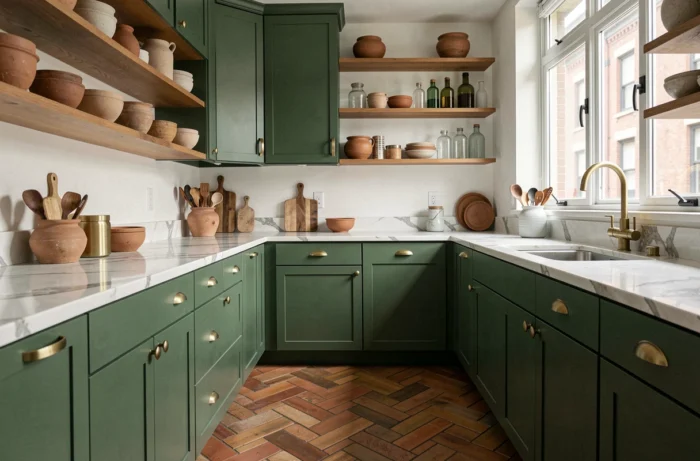
This shift has a direct effect on how we think about interior design. Redoing a kitchen or rethinking a living room becomes an opportunity to integrate insulation or ventilation works, rather than postponing them.
Low-carbon materials and interior decoration trends: when style meets regulation
Regulatory constraints are pushing manufacturers and artisans toward low-carbon materials. Wood from sustainably managed forests, bio-based insulators (hemp, cellulose wadding, wood fiber), and low-VOC paints are gaining ground in catalogs.
This movement aligns with a visible decoration trend for several seasons: the search for natural and raw materials in interiors. The difference in 2026 is that this choice is no longer just aesthetic. A wall made of earth plaster or a floor in local solid wood meets both a style requirement and a regulatory framework that values decarbonized materials.
- Raw wood (oak, beech, Douglas fir) remains the flagship material for furniture and coverings, with a growing demand for traceable local species.
- Earth or lime-based plasters are gradually replacing synthetic plasters in global renovation projects.
- Natural textiles (linen, wool, hemp) are becoming essential for household linens and wall coverings, driven by the demand for healthy and recyclable materials.
- A+ labeled paints and finishes are becoming a common selection criterion, not just for households with children.
DPE and property value: the new lens for the market
The energy performance diagnosis now weighs heavily in buying, selling, and renting decisions. Properties rated F or G face increasing restrictions on renting, forcing landlords to invest in energy renovation or risk their property being removed from the rental market.
For an owner-occupier, improving their DPE by two classes is no longer a luxury: it is the condition to benefit from public aid and to preserve the resale value of the property. This reality alters the hierarchy of priorities. Buying a new sofa or a designer light fixture takes a backseat to replacing a boiler or insulating the attic, not out of lack of desire, but due to economic calculation.
Balancing visible comfort and hidden performance
The temptation remains strong to allocate the budget to what is visible: a fitted kitchen, trendy wallpaper, a custom piece of furniture. The reality of the market pushes in the opposite direction. A well-insulated home with decarbonized heating sells better than a carefully decorated interior but rated E on the DPE.
The most effective approach is to combine the two: take advantage of energy renovation to rethink volumes, circulation, and finishes. Replacing a gas boiler with a heat pump frees up space, changes the placement of radiators, and opens up design possibilities that did not exist before.
Colors and interior design 2026: palettes dictated by sustainability
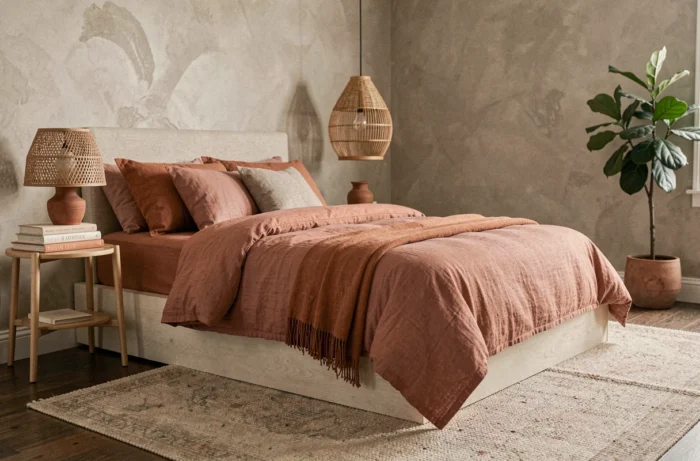
Warm and earthy tones (terracotta, ochre, brown) dominate the palettes offered by paint manufacturers. These colors naturally complement the raw materials highlighted by the new standards.
The choice of a sustainable palette goes beyond just the color. The composition of the paint, its lifespan, and its ability to age without yellowing or peeling are just as important as the visual result. A mineral lime paint ages better than a standard acrylic and fits into the logic of global renovation that prioritizes durable materials.
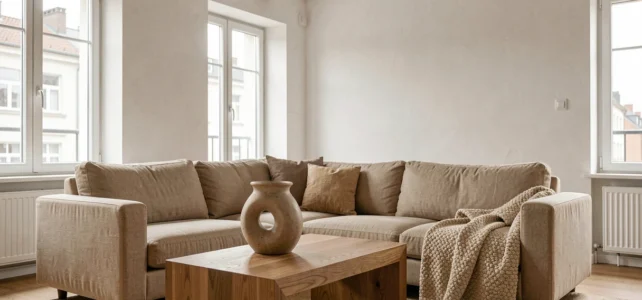
Furniture with rounded shapes and modular furniture remain safe bets for living spaces. Their success is due as much to aesthetics as to practicality: a modular sofa adapts to room configurations altered by interior insulation works, which sometimes reduce usable space by a few centimeters.
Home trends in 2026 can be viewed through a dual lens. The first is aesthetic: natural materials, warm tones, organic shapes. The second is regulatory: mandatory decarbonization, global renovation, binding DPE. The most successful projects are those that integrate these two dimensions from the outset, without treating energy performance as a chore separate from the pleasure of decorating.