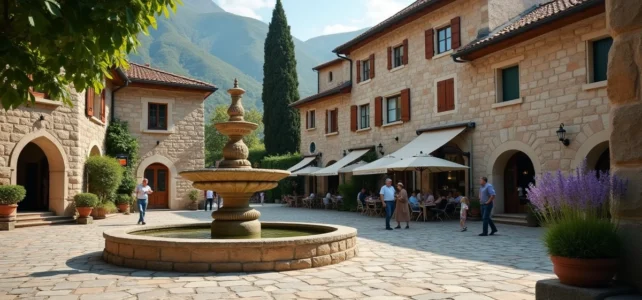
Veynes occupies a unique position in the Hautes-Alpes. Nestled in the Buëch valley, this commune of about 3,000 inhabitants is located at the crossroads of several historical routes connecting Gap, Grenoble, and Provence. This geographical intersection has shaped its identity well beyond that of a simple mountain village.
Veynes and its railway past: a heritage still visible in the streets
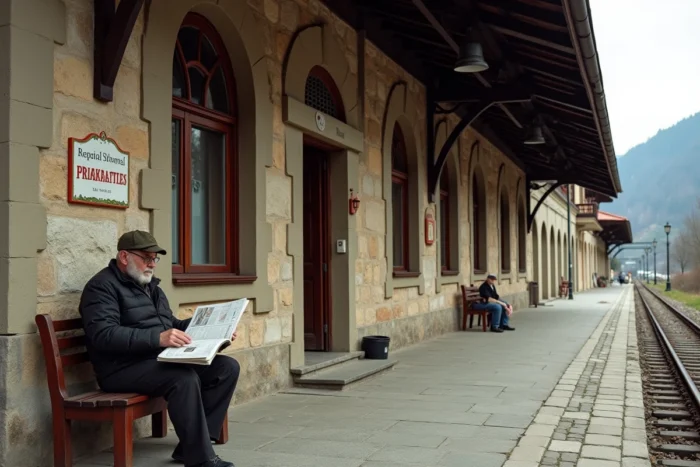
Before discussing alpine trails or cliffs, it is essential to understand what distinguishes Veynes from its neighbors. The commune owes part of its development to the railway. Its railway hub, sometimes referred to as the “railway star,” has attracted generations of railway workers and structured local life for over a century.
This past is not only evident in the train stations or tracks. In 2026, a urban walk marked by 20 panels retraces the railway history directly in the streets. Visitors discover the former staff housing, architectural traces related to railway activity, and anecdotes from a time when the train dictated the rhythm of the town. Practical information about this guided tour is available on ville-veynes.fr, which also shares heritage events organized by local associations.
The Veynois Railway Eco-Museum completes this immersion. It gathers objects, documents, and testimonies that tell the daily lives of families connected to the railways. For anyone interested in the industrial heritage of the Southern Alps, it is a detour that adds meaning to the urban landscape.
Hiking around Veynes: trails, cliffs, and peaks of the Buëch
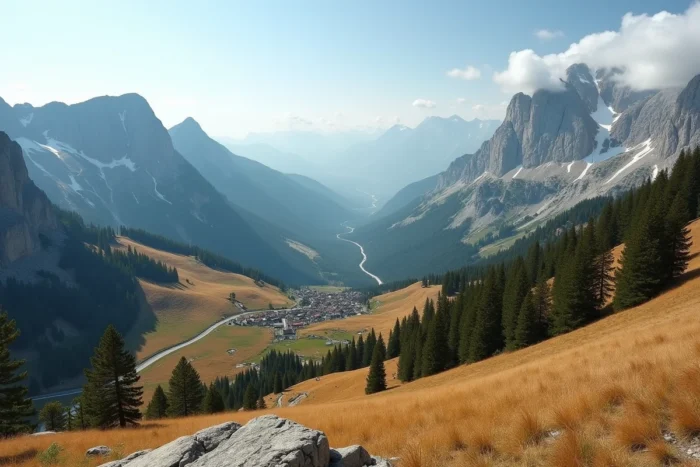
The natural setting around Veynes attracts hikers of all levels. The Buëch valley offers varied terrain, including limestone cliffs, mountain forests, and ridges accessible without technical equipment.
Have you ever noticed that some hiking trails bear the names of local geological formations? Around Veynes, the marmites du Buëch are a good example. These cavities carved by erosion in the riverbed create a surprising mineral landscape, often photographed but rarely explained in tourist brochures.
Loops and routes starting from Veynes
Several loops start directly from the village. The routes range from a one-hour family stroll to a full-day mountain stage, with gradual elevation towards the surrounding peaks. The Dévoluy massif, accessible from the valley, offers more challenging hikes with views of the Bure ridges.
- Marked trails for all levels, starting from the village center or nearby hamlets
- Downloadable routes in GPX or PDF format on hiking platforms, useful for preparing an outing off the grid
- Itineraries passing by the cliffs of the Buëch, where one can observe geological layers dating back millions of years
The Écrins National Park is nearby, significantly expanding the playground for experienced hikers. Veynes then serves as a base camp, with its shops and accommodations, before heading to the high-altitude trails.
Iscles Water Plan: swimming and summer health constraints
The Iscles water plan is the main aquatic leisure area in Veynes. Popular with families in summer, it offers a supervised swimming area, green spaces, and a relaxed atmosphere away from the crowded beaches of the coast.
Why mention it here instead of simply recommending it? Because in July 2026, the water plan was closed to swimming due to cyanobacteria. This ban, taken as a precaution after unfavorable analyses, marked a first of its kind in the Hautes-Alpes department.
The reopening has only been partial and under supervision. For visitors planning a summer stay, it is useful to check the health status of the site before going. Municipal decrees are generally posted on-site and relayed by the local press.
What this episode reveals
Cyanobacteria proliferate when water temperatures rise and nutrients accumulate. This phenomenon, long confined to lowland water bodies, now affects high-altitude sites. Veynes is among the first sites in the Hautes-Alpes to be impacted, raising questions about the evolution of environmental conditions in the region.
Cultural news in Veynes: corso, exhibitions, and community life
Veynes is not just a starting point to the mountains. The local cultural life is more vibrant than what typical tourist brochures suggest.
In July 2026, the 15th Corso of Veynes marked the return of a festive event that brings together residents and visitors around decorated floats and street performances. At the same time, the Notre-Dame de Pitié chapel hosted a painting exhibition, showing that religious heritage also serves as a backdrop for contemporary creation.
- The Corso, a key summer event, enlivens the city center with parades and popular festivities
- Temporary exhibitions in heritage sites like the Notre-Dame de Pitié chapel
- Community initiatives focused on local memory, including a project inviting residents to share personal objects related to the town’s history
This associative vitality distinguishes Veynes from similarly sized communes. It reflects the residents’ attachment to their living environment and the transmission of their history.
Rural heritage is also the subject of restoration efforts. The Heritage Foundation has promoted a project to preserve the hamlet of Châteauvieux, a testament to an ancient community life that volunteers seek to highlight.
A discreet yet lively alpine commune, Veynes combines a rare railway heritage in the Hautes-Alpes, varied hiking trails in the Buëch valley, and a cultural program that goes beyond the scope of a stopover village. The health constraint that emerged at the Iscles water plan serves as a reminder that even mountain sites are not spared from environmental pressures. One more reason to take a close interest in it.