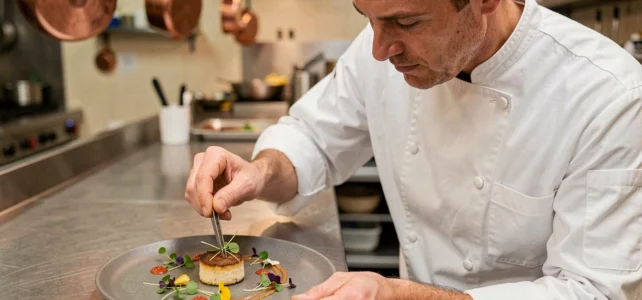
What culinary trends are truly redefining plates in 2026, and on what criteria can they be distinguished from a mere fad? Between artisanal fermentation, anti-inflammatory cuisine, and the return of animal fats, the directions taken by contemporary gastronomy do not all converge towards the same goal. This article compares the major orientations that structure today’s recipes, restaurant menus, and domestic practices of the modern gourmet.
Fermentation, anti-inflammatory, and zero waste: a comparison of culinary trends 2026
Three movements dominate discussions around gastronomy this year. They do not respond to the same motivations and do not involve the same level of transformation in daily cooking.
| Trend | Main Objective | Impact in the Kitchen | Home Accessibility |
|---|---|---|---|
| Artisanal Fermentation | Complexity of flavors (umami, bitterness) | Long-time techniques, new ingredients | High (jars, sourdough, lacto-fermented vegetables) |
| Anti-inflammatory Cuisine | Functional health | Selection of foods based on their nutritional properties | High (adaptation of existing recipes) |
| Zero Waste Restaurants | Reduction of environmental footprint | Complete operational reorganization | Medium (requires planning and short supply chains) |
Artisanal fermentation is presented as the strongest trend of 2026, according to the site Ellabbe9. It goes beyond mere health arguments to become a true lever of creativity in gastronomic cooking as well as at home. Kimchi, homemade miso, kombucha, kefir: these preparations require time, not necessarily expensive equipment.
Anti-inflammatory cuisine, on the other hand, fits within a nutritional framework. It shifts culinary logic towards functional health rather than just taste innovation. Chefs who adopt it select their foods for their properties (turmeric, berries, fatty fish) as much as for their flavors.
Zero waste has already transformed restaurant practices. It is no longer a marketing argument: it is an operational evolution of the profession, with kitchens rethinking their supplies, peels, and menus based on what they can fully utilize. To explore recipes and products that fit into this thoughtful gastronomy approach, a useful resource is: https://www.matingourmand.fr/, which brings together inspirations for gourmets attentive to the quality of ingredients.
Return of animal fats in cooking: a break from all-plant
The culinary trends of 2026 reveal a partial shift from previous years. Beef tallow is making a comeback in some restaurants, used for fries, sauces, and even buttery preparations. This movement contrasts with the dominance of plant-based observed in recent years.
This return does not mean an abandonment of plant-based cooking. The two approaches now coexist on restaurant menus, often within the same meal. A chef might offer a main dish centered on seasonal vegetables and accompany their dessert with a traditional clarified butter cream.
The interest in animal fats is based on a taste argument: the depth of flavor they bring remains difficult to replicate with plant substitutes. Chefs who reintroduce these fats do so in measured quantities, focusing on flavor rather than excess. Conversely, plant-based cooking continues to progress in the field of technical innovation, with textures and fermentations that did not exist five years ago.
Fermented flavors, bitterness, and umami: the palate of the modern gourmet
The flavor profile sought in 2026 moves away from the classic sweet-salty. Fermented flavors, bitterness, and umami structure new gastronomic recipes, both in restaurants and at home. This shift changes how a gourmet constructs their culinary experience.
In practical terms, this translates into several practices:
- The use of fermented pastes (miso, doenjang) as a base for sauces or marinades, replacing veal stock or bouillon cubes
- The integration of bitter ingredients (braised endives, candied citrus, raw cacao) into dishes where sugar previously dominated
- The use of long-time techniques (aging, maturation, lacto-fermentation) to develop layers of complex flavors without additives
These techniques require patience, not necessarily a Michelin-starred chef’s expertise. A gourmet who embarks on home fermentation can achieve impressive results in a few weeks with cabbage, salt, and an airtight jar.

Sustainable culinary trends: from short supply chains to rethought menus
The priority given to local and seasonal ingredients is no longer a novelty in France. What changes in 2026 is the systematic integration of this logic into the very construction of menus. Chefs no longer just mention the origin: they design their dishes around what is available, week after week.
This approach imposes a strong creative constraint. A restaurant that works with short supply chains cannot offer the same menu all year round. Recipes evolve with arrivals, pushing cooks to master a broader technical repertoire. The result for the diner: each meal reflects a specific moment in the agricultural calendar.
The zero waste movement amplifies this dynamic. When an establishment commits to not throwing anything away, every peel, every green, every bone becomes a potential ingredient. Broths are prepared with trimmings, vegetable skin chips accompany appetizers, and desserts incorporate fruits that are too ripe for service.
- Short menus (four to six dishes) allow for better control of waste and deeper exploration of each preparation
- Direct partnerships with local producers ensure traceability without intermediaries
- Fermentation also serves to preserve seasonal surpluses, closing the loop between supply and culinary art
Gastronomy in 2026 does not boil down to a single direction. Fermentation, the return of animal fats, and anti-inflammatory cuisine coexist on the same menus, driven by distinct motivations: taste pleasure, functional health, environmental responsibility. The modern gourmet does not have to choose a side. They benefit most from understanding what each trend brings to the plate and what it demands in the kitchen.